
Category: Birth Charts

  • What Does My Moon Sign Mean? A Complete Guide to Your Emotional Blueprint

    What Does My Moon Sign Mean? A Complete Guide to Your Emotional Blueprint

    What Is a Moon Sign? (The Core Definition)

    When you first explore astrology, you start with your Sun sign. But ask a seasoned astrologer what truly drives your inner world, and they’ll point you to the Moon. So, what does my moon sign mean? Your Moon sign is your emotional core—the part of you that feels before it thinks, your instinctual reactions, and your private self. It holds your deepest needs, memories, and the patterns that run beneath the surface of everything you do.

    If you’re ready to go beyond the surface and truly understand yourself, learning your Moon sign is the first step. For a full, personalized look at your entire birth chart—including your Moon, Sun, Rising, and every planetary placement—our Personalized Birth Chart Reading on Etsy decodes the celestial blueprint that makes you unique.

    The Moon in Astrology: Ruler of Emotions and Instinct

    In astrology, the Moon governs the tides and the rhythm of night. In your birth chart, it rules your instincts—the gut reactions that surface before your rational mind engages. It holds the imprint of childhood conditioning, your earliest memories of safety, and your unconscious habits. Your Moon sign reveals what you need to feel secure, how you process hurt, and where you find genuine emotional nourishment.

    How the Moon Sign Differs from the Sun and Rising Signs

    Think of your Sun as the actor on stage—your conscious identity and ego. Your Rising sign is the mask you wear when you meet the world. Your Moon sign is the actor’s inner life backstage—the raw emotion, vulnerability, and private self. The Sun wants to achieve; the Rising wants to fit in; the Moon simply wants to feel safe. For example, an Aries Sun might appear bold and competitive, but a Cancer Moon makes them secretly deeply sensitive. The Moon doesn’t care about public image—it cares about what your heart truly craves.

    Why Your Moon Sign Reveals Your Hidden Emotional Blueprint

    Your Moon sign explains why you react under stress, why some relationships feel safe and others don’t, and why you crave comfort in specific ways. It doesn’t lie—even if you’ve suppressed your feelings, the Moon sign reveals the patterns beneath the surface. It shows your emotional wounds and unconscious self-protection strategies. Knowing your Moon sign gives you a powerful tool for self-compassion. For a deeper dive into how your Moon, Sun, and Rising interact, read our guide on Sun, Moon, and Rising Signs explained.

    Moon Sign vs Sun Sign vs Rising Sign: The Three Pillars

    To truly understand “what does my moon sign mean,” you need to see how it fits into the bigger picture of your birth chart. The three pillars—Sun, Moon, and Rising—work together to create the full portrait of your personality. Here’s a quick comparison to help you distinguish them:

    Aspect Sun Sign Moon Sign Rising Sign
    Role Core identity, ego, life purpose Emotions, instincts, subconscious needs Outer personality, first impressions, social mask
    What it governs Willpower, vitality, self-expression Feelings, habits, nurturing, security Appearance, approach to life, initial reactions
    What it reveals Who you are becoming Who you are at your core (emotionally) How others see you
    Example: Aries Sun / Cancer Moon / Libra Rising Aries Sun: bold, competitive, independent, wants to lead Cancer Moon: deeply sensitive, emotional, needs a safe home, nurturing Libra Rising: charming, diplomatic, graceful, appears harmonious

    This example shows how the same person can appear outwardly balanced (Libra Rising), act with fiery determination (Aries Sun), yet feel fragile and protective inside (Cancer Moon). No wonder you sometimes feel like a contradiction—your chart is a mosaic of these energies. For a complete breakdown of the three pillars, read our article on What Does My Rising Sign Mean.

    How to Find Your Moon Sign (Step-by-Step Guide)

    Now that you’re curious about your Moon sign, you’ll need a few key pieces of information. Unlike your Sun sign, which changes only once a month, the Moon moves through each zodiac sign roughly every two and a half days. That means your Moon sign is highly specific to your exact birth moment.

    What You Need: Exact Birth Date, Time, and Location

    • Exact birth date (month, day, year)
    • Exact birth time (as precise as possible, including AM/PM)
    • Birth location (city, state/province, country)

    With your exact birth date, birth time, and birth location, you can calculate your Moon sign. The time matters most—the Moon changes sign every few hours, and even 30 minutes can shift it. Don’t have your birth time? See the workaround below.

    What If You Don’t Know Your Birth Time? (noon chart workaround)

    If you don’t know your birth time, use a “noon chart” (12:00 PM on your birth date) as a workaround. The result may be off by one sign if the Moon was near a cusp. Hospital records or a parent’s memory can help fill in the gap.

    Link to a Free Moon Sign Calculator (or Estelle Celeste’s Service)

    You can find many free Moon sign calculators online, but for a truly personalized and comprehensive reading, we recommend using the Estelle Celeste birth chart service. Our Personalized Birth Chart Reading not only gives you your Moon sign but also interprets its meaning in the context of your entire chart—including aspects, houses, and the unique story of your soul. If you’re ready to go beyond a simple calculator, that’s the place to start.

    Moon Sign and Emotions: How Each Element Shapes Your Feelings

    The element of your Moon sign—Water, Earth, Air, or Fire—determines the flavor of your emotional world. Each element processes feelings differently, and understanding this can transform how you relate to your own reactions.

    Water Moon Signs (Cancer, Scorpio, Pisces) — Deep, Intuitive, Sensitive

    If your Moon is in a Water sign, your emotions run deep—like an ocean that can be calm or stormy. You feel everything intensely and are highly intuitive, often picking up on the moods of others before they speak. Cancer Moons need nurturing and a safe home; Scorpio Moons crave emotional intensity and transformation; Pisces Moons are dreamy, empathic, and sometimes overwhelmed by the world’s sorrow. Your emotional healing comes through creative expression, sacred spaces, and trusted soul connections.

    Earth Moon Signs (Taurus, Virgo, Capricorn) — Stable, Practical, Security-Seeking

    Earth Moons process feelings through physical security and routine. Taurus Moons find comfort in good food, nature, and creature comforts. Virgo Moons manage anxiety by organizing and improving. Capricorn Moons are stoic but deeply need a solid foundation. Grounding practices and structure are your emotional anchors.

    Air Moon Signs (Gemini, Libra, Aquarius) — Intellectual, Detached, Communicative

    Air Moons process emotions through the mind—you need to talk, analyze, and understand. Gemini Moons need variety and mental stimulation. Libra Moons seek harmony and balance. Aquarius Moons value freedom and intellectual connection. Conversation, social interaction, and curiosity keep you emotionally balanced.

    Fire Moon Signs (Aries, Leo, Sagittarius) — Passionate, Impulsive, Expressive

    Fire Moons feel with intensity and immediacy. Aries Moons need instant action and independence. Leo Moons need to be seen and creatively expressed. Sagittarius Moons seek freedom through adventure and exploration. Movement, boldness, and passion projects are your emotional fuel.

    Why Your Moon Sign Matters More Than Your Sun Sign

    While the Sun sign is the star of the show in popular astrology, the Moon sign is arguably the more important key to your inner life. Here’s why.

    The Moon Sign and Your Childhood Conditioning

    Your Moon sign reveals the emotional landscape of your childhood—how you learned to handle feelings and what made you feel safe. A Capricorn Moon often signals early responsibility; a Pisces Moon may reflect blurred boundaries. Recognizing these patterns lets you heal old wounds with compassion.

    How Your Moon Sign Affects Relationships and Attachment Style

    In relationships, your Moon sign dictates your attachment style and what you need to feel emotionally secure. A Cancer Moon needs a partner who provides a home and emotional reassurance. An Aquarius Moon needs space and intellectual camaraderie. When you know your Moon sign—and your partner’s—you can navigate conflicts with more empathy. You’ll stop blaming each other for “overreacting” and start understanding that your emotional wiring is simply different.

    Using Your Moon Sign for Self-Care and Emotional Regulation

    Your Moon sign is your self-care manual. A Virgo Moon finds calm in tidying; a Leo Moon needs creative expression. Scorpio Moons benefit from journaling. Aligning your routine with your Moon sign means honoring your emotional needs instead of following generic advice.

    Frequently Asked Questions About Moon Signs

    Can my moon sign change?

    No—your Moon sign is fixed at birth, like your Sun and Rising signs. It does not change, though you may grow more aware of its influence as you explore your chart.

    What if my moon sign is in the same sign as my sun sign?

    When Sun and Moon share a sign, your emotions and ego are aligned. This is a source of strength but may reduce emotional flexibility—you feel things very directly and intensely.

    How do I use my moon sign for daily life?

    Start by observing your emotional patterns. When you’re stressed, what do you instinctively reach for? A Taurus Moon might crave comfort food; a Gemini Moon might need to talk to a friend. Honor that impulse. Create a small ritual that aligns with your Moon sign—like lighting a candle for a Scorpio Moon or going for a brisk walk for a Sagittarius Moon. Over time, this practice will become a powerful tool for emotional regulation.

    Does my moon sign affect my love life?

    Your Moon sign shapes your love language and attachment needs. A Libra Moon needs romance; a Capricorn Moon needs reliability. Understanding your Moon sign transforms how you choose and relate to partners.

    Your Moon sign explains why you feel and react the way you do. Understanding it is the first step to thriving emotionally.

    If you’re ready to uncover the full story of your soul, our Personalized Birth Chart Reading on Etsy is designed to do exactly that. With detailed interpretations of your Moon, Sun, Rising, and every planetary placement, you’ll finally understand the cosmic blueprint that makes you who you are. For a step-by-step guide to reading your own chart, also check out How to Read Your Birth Chart for Beginners and learn more about what is a birth chart and why it matters.
  • How to Read Your Birth Chart for Beginners

    How to Read Your Birth Chart for Beginners

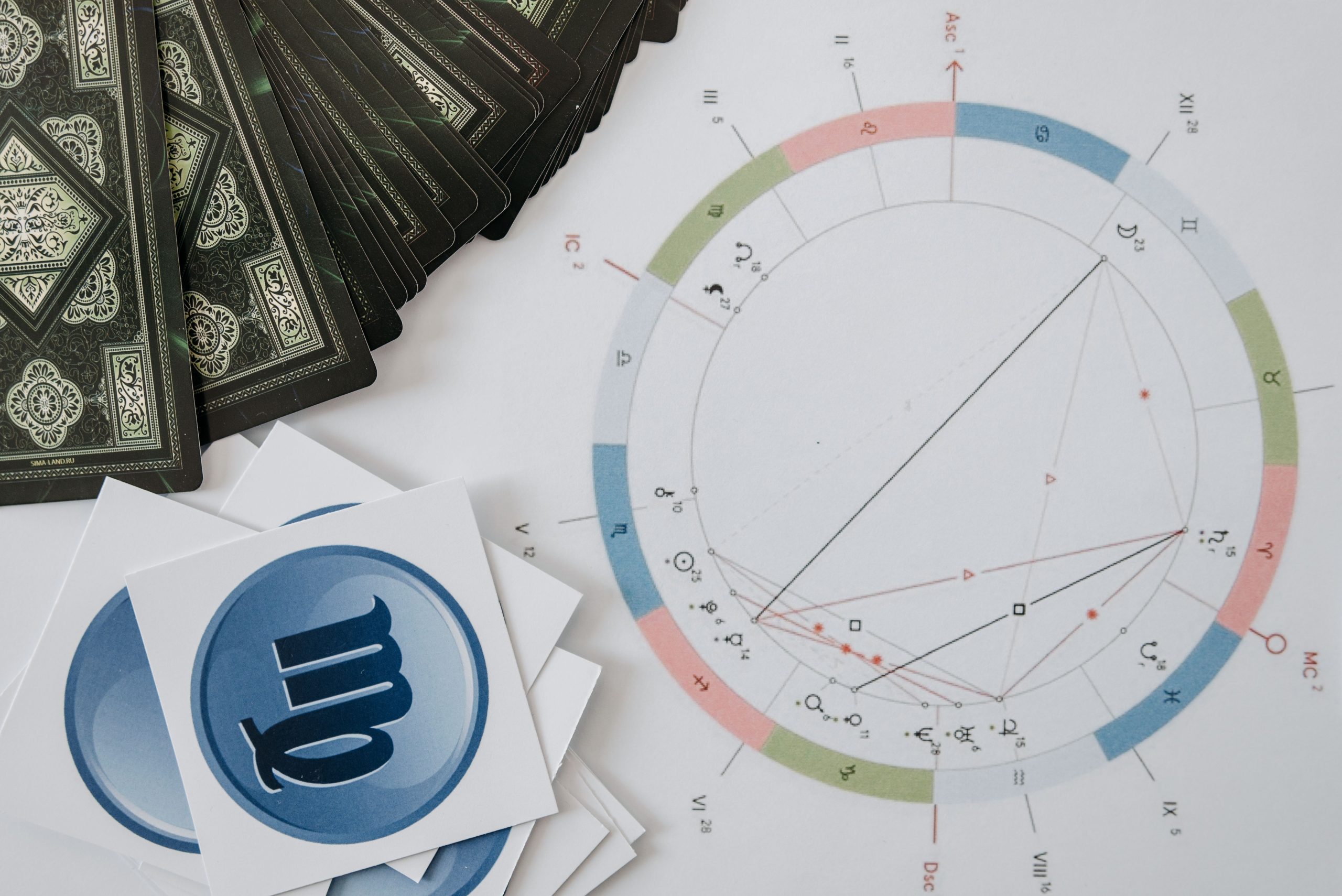
    So you’ve pulled up your birth chart for the first time and are staring at a colorful wheel filled with symbols, lines, and numbers. It can feel overwhelming, like trying to read a map of a foreign city without a legend. But here’s the good news: learning how to read your birth chart for beginners is simply a matter of understanding a few core pieces and how they fit together. Think of your chart as a cosmic snapshot of the sky at the exact moment you were born. It reveals your core energies, motivations, and the areas of life where you’ll naturally shine or face challenges. This guide will walk you through each component step by step, so you can start interpreting your own natal chart with confidence and curiosity.

    What Is a Birth Chart? (Definitional Block)

    The Natal Chart as a Cosmic Snapshot

    A birth chart, also called a natal chart, is a map of where every planet and celestial body was located at the precise time and place of your birth. Unlike a daily horoscope, which is generalized for an entire zodiac sign, your birth chart is entirely unique to you. It shows the positions of the Sun, Moon, Mercury, Venus, Mars, Jupiter, Saturn, Uranus, Neptune, and Pluto, as well as the Ascendant (rising sign), the Midheaven (MC), and other sensitive points. Each of these elements is placed within one of the 12 zodiac signs and one of the 12 houses, creating a complex web of meaning that describes your personality, strengths, challenges, and life path.

    Why Your Birth Chart Is Unique

    Because the sky changes every four minutes, even twins born minutes apart can have different rising signs and house placements. Your chart is calculated using your exact date, time, and location of birth. This specificity is what makes how to interpret your natal chart such a personal and revealing practice. It’s not about predicting the future; it’s about understanding the energies you were born with and how they tend to play out in your life.

    The Core Components of a Birth Chart

    Planets – The Energies

    The planets represent different parts of your psyche and the core drives within you. The Sun is your core identity and ego. The Moon reflects your emotions and inner world. Mercury governs communication and thought processes. Venus rules love, beauty, and values. Mars is your drive, ambition, and how you assert yourself. The outer planets—Jupiter (expansion), Saturn (structure and lessons), Uranus (innovation), Neptune (dreams and intuition), and Pluto (transformation)—operate on a generational level but gain personal meaning through their house placement and aspects.

    Here are quick keyword reminders for each planet to help you read your chart:

    • Sun – core identity, ego, life purpose
    • Moon – emotions, instincts, inner needs
    • Mercury – communication, thought patterns, learning
    • Venus – love, beauty, values, money
    • Mars – drive, aggression, physical energy
    • Jupiter – expansion, luck, philosophy, growth
    • Saturn – structure, discipline, restrictions, responsibility
    • Uranus – innovation, rebellion, sudden change
    • Neptune – dreams, intuition, spirituality, illusion
    • Pluto – transformation, power, deep renewal

    Zodiac Signs – The Filters

    Each planet is located in a specific zodiac sign, which colors how that planet’s energy expresses itself. For example, Venus in Aries tends to be bold and impulsive in love, while Venus in Taurus is steady and sensual. The sign shows the how of the planet’s expression.

    Houses – The Arenas of Life

    The 12 houses represent different life areas, from identity and money to relationships and career. Where a planet falls in the houses tells you where that energy is most likely to manifest. For instance, Mercury in the 3rd house suggests a natural talent for communication and learning, while Mercury in the 10th house points to a career involving speaking or writing.

    Aspects – The Relationships Between Planets

    Aspects are the angles planets make to each other in your chart. They describe how different parts of your personality interact—whether they support each other or create tension. The five major aspects are the building blocks of any birth chart aspects for beginners study.

    Aspect Angle Meaning
    Conjunction 0° Intense blending of two planetary energies; they work together very closely.
    Sextile 60° Harmonious and supportive; opportunities for growth with some effort.
    Square 90° Challenge and tension; friction that pushes you to grow and take action.
    Trine 120° Flow and ease; natural talents and effortless expression.
    Opposition 180° Polarity and awareness; two energies that seem at odds but can balance each other.

    How to Read Your Birth Chart Step by Step

    Step 1: Find Your Rising Sign (Ascendant)

    Your rising sign is the zodiac sign that was on the eastern horizon at your birth. It’s the most important angle in your chart because it sets the entire house system. Think of it as the mask you wear when meeting the world—your first impression. To learn more about this key placement, read our guide on What Does My Rising Sign Mean.

    Step 2: Identify Your Sun and Moon Signs

    Your Sun sign is your core self, and your Moon sign is your emotional nature. Together with your rising sign, these three form the “big three” of your chart. Write them down and note which houses they fall in.

    Step 3: Look at the Planets in Signs and Houses

    Now, go through each planet and note its sign and house. For example, if your Mars is in Gemini in the 5th house, you might express your drive through playful, intellectual hobbies or creative writing. This is where a planets in signs and houses meaning reference becomes invaluable.

    Step 4: Note the Aspects (Start with Conjunctions and Oppositions)

    Look at the lines connecting the planets on your chart. Red lines usually indicate squares and oppositions (challenging aspects), while blue lines show trines and sextiles (harmonious aspects). Conjunctions are often marked by a tight cluster of symbols. Begin by noting any conjunctions (planets very close together) and oppositions (planets directly across from each other). These will have the most noticeable impact on your personality.

    Step 5: Synthesize the Story (Example Walk-Through)

    Let’s say you have your Sun in Leo in the 10th house (career and public life), your Moon in Cancer in the 4th house (home and family), and your Mars in Aries in the 1st house (identity and self-expression). A synthesis might read: “You are driven to be a leader in your career (Sun in 10th), but you need a strong emotional foundation at home (Moon in 4th). Your assertive, pioneering energy is very visible to others (Mars in 1st).” This is the art of step-by-step birth chart reading.

    Understanding the 12 Houses (with a Quick-Reference Table)

    The houses are the “where” of your chart. Here’s a quick overview of each house and the life area it governs.

    House Life Area Short Meaning
    1st Self, appearance, identity How you present yourself to the world.
    2nd Money, possessions, values What you own and what you value.
    3rd Communication, siblings, short trips How you think, speak, and learn.
    4th Home, family, roots Your private life and emotional foundation.
    5th Creativity, romance, children, fun Self-expression, pleasure, and play.
    6th Health, daily routines, service Work habits, wellness, and helping others.
    7th Partnerships, marriage, open enemies One-on-one relationships and contracts.
    8th Shared resources, transformation, intimacy Deep bonds, inheritance, and rebirth.
    9th Higher education, travel, philosophy Expanding your horizons and belief systems.
    10th Career, reputation, public life Your professional path and legacy.
    11th Friendships, groups, hopes and dreams Community, social networks, and aspirations.
    12th Subconscious, solitude, spirituality Hidden strengths, dreams, and inner world.

    Angular Houses (1, 4, 7, 10) – Key Life Areas

    These are the most powerful houses, representing major life themes: identity (1st), home (4th), relationships (7th), and career (10th). Planets here are very active and noticeable.

    Succedent Houses (2, 5, 8, 11) – Stability and Resources

    These houses follow the angular ones and deal with resources, creativity, shared assets, and friendships. They represent what we build and stabilize.

    Cadent Houses (3, 6, 9, 12) – Learning and Transition

    These houses are about communication, daily work, higher learning, and the subconscious. They are more internal and preparatory in nature.

    Frequently Asked Questions About Reading Your Birth Chart

    Here are concise answers to common questions beginners have about how to read your birth chart for beginners.

    1. What is a birth chart? A birth chart is a map of the sky at your exact moment of birth, showing the positions of the planets, signs, and houses.
    2. How do I get my birth chart for free? You can use reputable online calculators like Astro.com or Cafe Astrology. You’ll need your exact birth date, time, and location.
    3. What is the most important part of a birth chart? The “big three”—your Sun sign, Moon sign, and rising sign—are the foundation. The rising sign sets the house system.
    4. What do the red and blue lines mean on my chart? Red lines usually indicate challenging aspects (squares, oppositions), while blue lines show harmonious aspects (trines, sextiles).
    5. How do I read aspects in my birth chart? Look for the angle between two planets. Conjunctions (0°) blend energies; squares (90°) create tension; trines (120°) bring ease.
    6. What is the difference between a birth chart and a horoscope? A birth chart is a personal, static map. A horoscope is a forecast based on current planetary movements relative to your chart.
    7. Which house system should I use? Placidus is the most common for beginners. Whole Sign is simpler and also widely used. Stick with one as you learn.
    8. Can I read my birth chart without knowing my birth time? You can, but your rising sign and house placements will be less accurate. A noon chart is a common workaround.

    For a deeper foundation, check out our article on What Is a Birth Chart and Why It Matters, and if you’re curious about how numerology complements astrology, read Understanding Your Life Path Number.

    Learning how to read your birth chart for beginners is a journey of self-discovery. Start with the big three, then explore the planets in signs and houses, and finally, look at the aspects. Each layer adds depth to your understanding. Remember, your chart is a tool for reflection, not a rigid script. The more you practice, the more intuitive it becomes.

  • What Does My Rising Sign Mean

    What Does My Rising Sign Mean

    What Is the Rising Sign in Astrology

    In astrology, your rising sign—also called the ascendant—is the zodiac sign that was on the eastern horizon at the moment you were born. It sets the tone for your natal chart and colors the way you move through the world. While your sun sign reveals your core identity and your moon sign reflects your emotional landscape, the rising sign functions as your outer interface: the persona you project, the first impression you leave, and the lens through which others initially experience you. It is also the starting point for the twelve houses, making it structurally essential to every chart interpretation.

    Because the ascendant changes roughly every two hours, two people born on the same day can have completely different rising signs. That variance is why birth time accuracy matters so much in astrology. An error of even fifteen minutes can alter the rising sign—and therefore the entire house layout—of a chart. For precise results, rely on an exact timestamp from a birth certificate or trusted family record, and use a reputable birth chart calculator or professional reading.

    Why the Rising Sign Matters More Than You Think

    The rising sign matters because it governs the first house of the birth chart. The first house is traditionally linked to identity, physical appearance, vitality, and the way you initiate new cycles. In astrological practice, the rising sign determines your planetary chart ruler, the planet that acts as the executive of your chart. A Gemini rising, for instance, is ruled by Mercury, so communication, learning, and nervous-system sensitivity become central themes in that person’s life.

    Astrologers also note that rising signs often explain why people feel disconnected from their sun sign. Someone with a quiet Pisces rising may seem dreamy and withdrawn at first, even if their sun sign is fiery and outgoing. The rising sign acts as a behavioral filter and first-impression layer; it does not replace the sun or moon, but it shapes how those inner placements become visible to others. In a full chart reading, the ascendant is treated as the baseline from which all house meanings are counted.

    How to Find Your Rising Sign

    To find your rising sign, you need three precise inputs: your exact birth time, date of birth, and location of birth. Astrologers use those details to calculate the zodiac sign that was rising on the eastern horizon at your first breath. If you have your birth certificate, start there; otherwise, ask a close relative. Without an exact time, you can still work with your sun and moon signs—explore them in Life Path Numbers 1–9: What Each One Means and What Is a Birth Chart and Why It Matters—then revisit the ascendant once you locate the missing information.

    Even small time differences matter. A ten- or fifteen-minute shift can move the ascendant into the next sign, especially when the birth occurs near a cusp. For this reason, guessing your rising sign from a generic online quiz is not recommended. A customized personalized birth chart reading is the most reliable way to confirm your ascendant, house placements, and planetary ruler in detail.

    Rising Sign Meanings by Element

    Rising signs fall naturally into the four astrological elements, each contributing a recognizable first-impression style. Fire risings project warmth and momentum; earth risings project steadiness and polish; air risings project wit and responsiveness; water risings project empathy and depth. Understanding your elemental family can clarifies why certain environments feel energizing or draining.

    Elemental Rising Sign Archetypes
    Element Rising Signs Typical First-Impression Energy
    Fire Aries, Leo, Sagittarius Bold, enthusiastic, action-oriented
    Earth Taurus, Virgo, Capricorn Grounded, practical, composed
    Air Gemini, Libra, Aquarius Social, curious, intellectually agile
    Water Cancer, Scorpio, Pisces Emotional, intuitive, protective

    Sign-by-Sign Rising Sign Highlights

    • Aries rising: You lead with initiative and courage. People experience you as direct and energetic; you initiate projects quickly and prefer action over long deliberation.
    • Taurus rising: You lead with calm presence and aesthetic awareness. Others notice your steadiness, your appreciation for beauty, and your reluctance to rush.
    • Gemini rising: You lead with curiosity and communication. Wit, adaptability, and information-sharing define your first impressions; you put people at ease with conversation.
    • Cancer rising: You lead with emotional sensitivity and protectiveness. Others often feel nurtured or guarded by you, depending on their own emotional tone.
    • Leo rising: You lead with warmth and visibility. Drama, generosity, and heart-centered energy follow you into rooms; people tend to remember your confidence.
    • Virgo rising: You lead with precision and humility. Reserved at first, you observe details and offer practical support, building trust quietly over time.
    • Libra rising: You lead with charm and diplomacy. Social harmony matters to you, and you excel at smoothing tension through communication and aesthetics.
    • Scorpio rising: You lead with intensity and insight. Others sense that you see beneath the surface; you project autonomy, privacy, and emotional gravity.
    • Sagittarius rising: You lead with optimism and expansiveness. Humor, stories, and a love of freedom mark your initial presence; you inspire curiosity.
    • Capricorn rising: You lead with structure and ambition. Composure and reliability dominate your first impression; people tend to see you as mature and goal-oriented.
    • Aquarius rising: You lead with originality and independence. Unconventional viewpoints and humanitarian concern set you apart; you disrupt patterns without trying.
    • Pisces rising: You lead with empathy and imagination. Softness, artistic energy, and spiritual receptivity create an impression of mystery and kindness.

    Rising Sign vs Sun vs Moon: What’s the Difference

    The big three—sun, moon, and rising—often make more sense when viewed as positions on a stage. The sun is the protagonist: your central identity and life purpose. The moon is the inner narrator: your emotions, memories, and private needs. The rising sign is the opening scene and book cover: the impression you give before anyone knows your plot.

    When all three align, life can feel coherent: your inner self, outer self, and emotional self pull in the same direction. When they differ, the tension itself is informative. A Leo sun with a Cancer rising, for example, may seek warm personal connections even while craving public recognition. That interplay between visibility and vulnerability is part of what makes astrology useful for self-understanding.

    FAQ: Common Questions About the Rising Sign

    Q: Can my rising sign change?
    A: No. Because it is anchored to your exact birth time and location, your ascendant stays fixed for life. Transits and progressions move through it, but the sign itself does not change.

    Q: Is the rising sign the same as my sun sign?
    A: Usually not. The ascendant shifts every two hours, so alignment with the sun sign is relatively uncommon and occurs only when that sign is rising at the moment of birth.

    Q: Why does my rising sign matter in relationships?
    A: It shapes first-impression chemistry and how you express individuality in partnership. Two people with compatible rising signs often feel an immediate ease, while clashing ascendants may need more time to understand each other’s outer styles.

    Q: Which rising sign is best for confidence?
    A: There is no universal ranking. Fire and earth ascendants often project obvious confidence, while water and air signs project subtler forms of self-assurance through receptivity or intellect.

    Q: Does the rising sign affect career?
    A: Yes. Through its connection to the Midheaven and tenth house, the ascendant influences professional image. A Gemini rising may shine in media or teaching; a Capricorn rising may gravitate toward leadership or long-term institutional work.