What Is the Rising Sign in Astrology
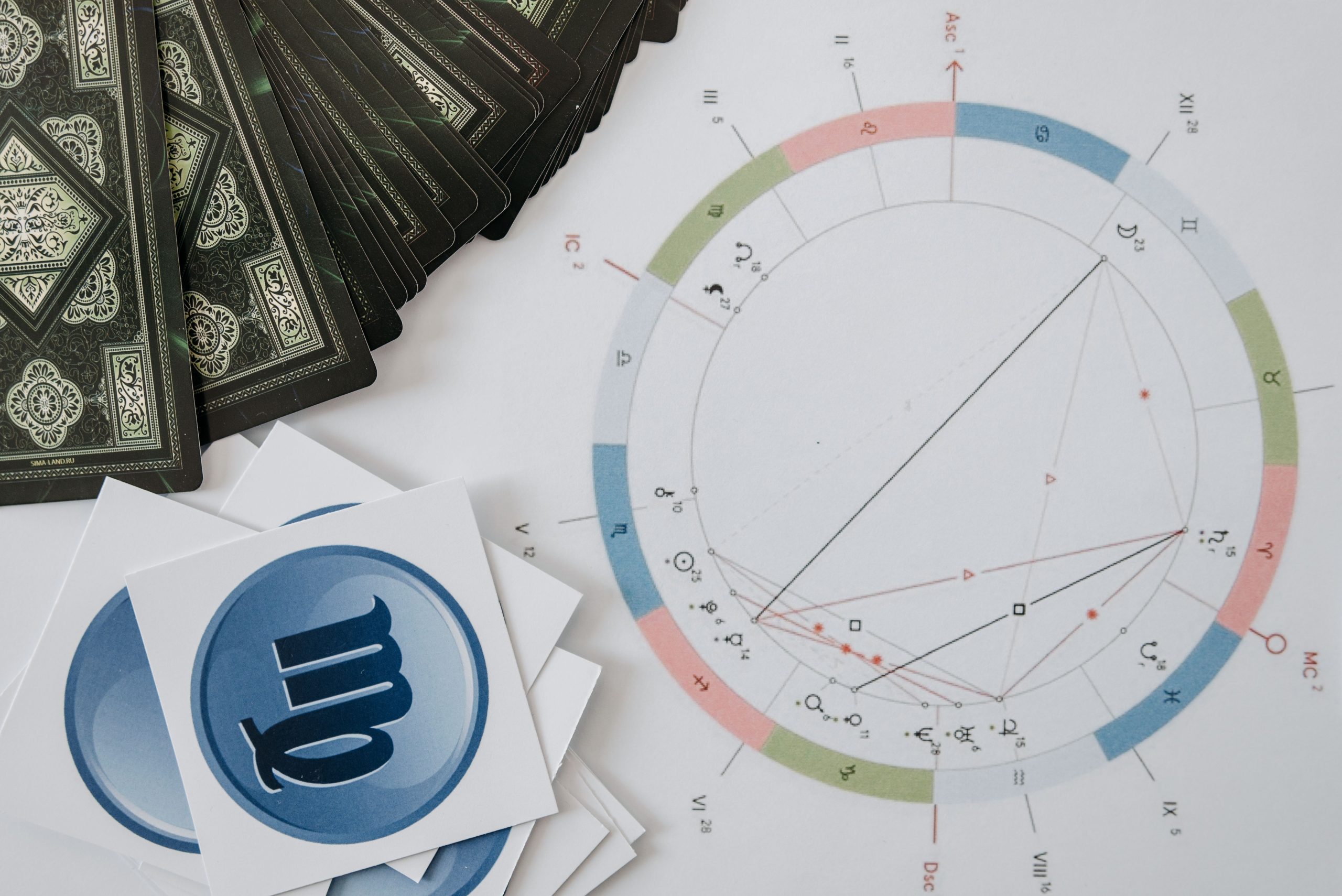
In astrology, your rising sign—also called the ascendant—is the zodiac sign that was on the eastern horizon at the moment you were born. It sets the tone for your natal chart and colors the way you move through the world. While your sun sign reveals your core identity and your moon sign reflects your emotional landscape, the rising sign functions as your outer interface: the persona you project, the first impression you leave, and the lens through which others initially experience you. It is also the starting point for the twelve houses, making it structurally essential to every chart interpretation.
Because the ascendant changes roughly every two hours, two people born on the same day can have completely different rising signs. That variance is why birth time accuracy matters so much in astrology. An error of even fifteen minutes can alter the rising sign—and therefore the entire house layout—of a chart. For precise results, rely on an exact timestamp from a birth certificate or trusted family record, and use a reputable birth chart calculator or professional reading.
Why the Rising Sign Matters More Than You Think
The rising sign matters because it governs the first house of the birth chart. The first house is traditionally linked to identity, physical appearance, vitality, and the way you initiate new cycles. In astrological practice, the rising sign determines your planetary chart ruler, the planet that acts as the executive of your chart. A Gemini rising, for instance, is ruled by Mercury, so communication, learning, and nervous-system sensitivity become central themes in that person’s life.
Astrologers also note that rising signs often explain why people feel disconnected from their sun sign. Someone with a quiet Pisces rising may seem dreamy and withdrawn at first, even if their sun sign is fiery and outgoing. The rising sign acts as a behavioral filter and first-impression layer; it does not replace the sun or moon, but it shapes how those inner placements become visible to others. In a full chart reading, the ascendant is treated as the baseline from which all house meanings are counted.
How to Find Your Rising Sign
To find your rising sign, you need three precise inputs: your exact birth time, date of birth, and location of birth. Astrologers use those details to calculate the zodiac sign that was rising on the eastern horizon at your first breath. If you have your birth certificate, start there; otherwise, ask a close relative. Without an exact time, you can still work with your sun and moon signs—explore them in Life Path Numbers 1–9: What Each One Means and What Is a Birth Chart and Why It Matters—then revisit the ascendant once you locate the missing information.
Even small time differences matter. A ten- or fifteen-minute shift can move the ascendant into the next sign, especially when the birth occurs near a cusp. For this reason, guessing your rising sign from a generic online quiz is not recommended. A customized personalized birth chart reading is the most reliable way to confirm your ascendant, house placements, and planetary ruler in detail.
Rising Sign Meanings by Element
Rising signs fall naturally into the four astrological elements, each contributing a recognizable first-impression style. Fire risings project warmth and momentum; earth risings project steadiness and polish; air risings project wit and responsiveness; water risings project empathy and depth. Understanding your elemental family can clarifies why certain environments feel energizing or draining.
Elemental Rising Sign Archetypes
| Element |
Rising Signs |
Typical First-Impression Energy |
| Fire |
Aries, Leo, Sagittarius |
Bold, enthusiastic, action-oriented |
| Earth |
Taurus, Virgo, Capricorn |
Grounded, practical, composed |
| Air |
Gemini, Libra, Aquarius |
Social, curious, intellectually agile |
| Water |
Cancer, Scorpio, Pisces |
Emotional, intuitive, protective |
Sign-by-Sign Rising Sign Highlights
- Aries rising: You lead with initiative and courage. People experience you as direct and energetic; you initiate projects quickly and prefer action over long deliberation.
- Taurus rising: You lead with calm presence and aesthetic awareness. Others notice your steadiness, your appreciation for beauty, and your reluctance to rush.
- Gemini rising: You lead with curiosity and communication. Wit, adaptability, and information-sharing define your first impressions; you put people at ease with conversation.
- Cancer rising: You lead with emotional sensitivity and protectiveness. Others often feel nurtured or guarded by you, depending on their own emotional tone.
- Leo rising: You lead with warmth and visibility. Drama, generosity, and heart-centered energy follow you into rooms; people tend to remember your confidence.
- Virgo rising: You lead with precision and humility. Reserved at first, you observe details and offer practical support, building trust quietly over time.
- Libra rising: You lead with charm and diplomacy. Social harmony matters to you, and you excel at smoothing tension through communication and aesthetics.
- Scorpio rising: You lead with intensity and insight. Others sense that you see beneath the surface; you project autonomy, privacy, and emotional gravity.
- Sagittarius rising: You lead with optimism and expansiveness. Humor, stories, and a love of freedom mark your initial presence; you inspire curiosity.
- Capricorn rising: You lead with structure and ambition. Composure and reliability dominate your first impression; people tend to see you as mature and goal-oriented.
- Aquarius rising: You lead with originality and independence. Unconventional viewpoints and humanitarian concern set you apart; you disrupt patterns without trying.
- Pisces rising: You lead with empathy and imagination. Softness, artistic energy, and spiritual receptivity create an impression of mystery and kindness.
Rising Sign vs Sun vs Moon: What’s the Difference
The big three—sun, moon, and rising—often make more sense when viewed as positions on a stage. The sun is the protagonist: your central identity and life purpose. The moon is the inner narrator: your emotions, memories, and private needs. The rising sign is the opening scene and book cover: the impression you give before anyone knows your plot.
When all three align, life can feel coherent: your inner self, outer self, and emotional self pull in the same direction. When they differ, the tension itself is informative. A Leo sun with a Cancer rising, for example, may seek warm personal connections even while craving public recognition. That interplay between visibility and vulnerability is part of what makes astrology useful for self-understanding.
FAQ: Common Questions About the Rising Sign
Q: Can my rising sign change?
A: No. Because it is anchored to your exact birth time and location, your ascendant stays fixed for life. Transits and progressions move through it, but the sign itself does not change.
Q: Is the rising sign the same as my sun sign?
A: Usually not. The ascendant shifts every two hours, so alignment with the sun sign is relatively uncommon and occurs only when that sign is rising at the moment of birth.
Q: Why does my rising sign matter in relationships?
A: It shapes first-impression chemistry and how you express individuality in partnership. Two people with compatible rising signs often feel an immediate ease, while clashing ascendants may need more time to understand each other’s outer styles.
Q: Which rising sign is best for confidence?
A: There is no universal ranking. Fire and earth ascendants often project obvious confidence, while water and air signs project subtler forms of self-assurance through receptivity or intellect.
Q: Does the rising sign affect career?
A: Yes. Through its connection to the Midheaven and tenth house, the ascendant influences professional image. A Gemini rising may shine in media or teaching; a Capricorn rising may gravitate toward leadership or long-term institutional work.